 |
|
|
||||||||||||||||||||||||||||||||||||||||||||||||||||||||||||||||
|
Why Calibration Weights Matter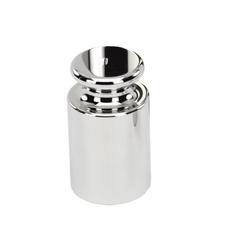
Even the most reliable scales can drift over time, and when that happens, the consequences can go beyond a slightly incorrect reading. In regulated industries, inaccurate scales can lead to compliance issues during inspections or audits. In shipping environments, even small weight discrepancies can result in higher carrier charges, billing disputes, or rejected shipments. Using calibration weights regularly helps ensure your scales are performing as expected, protecting both accuracy and accountability. It's a simple step that supports compliance, reduces costly errors, and helps keep operations running smoothly. Key FeaturesCalibration weights are built for precision, consistency, and long-term use. Features include:
Common Uses for Calibration WeightsCalibration weights are used anywhere accuracy needs to be verified or maintained. Common applications include:
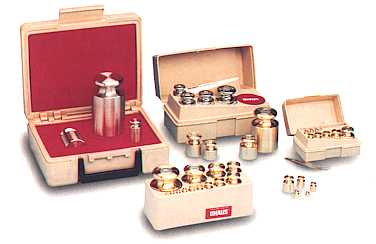
A Scale for Every TaskScales Galore offers weighing equipment suited for a variety of industries, including both common and specialized applications. Choosing the Right Calibration WeightsWhat is the right calibration weight for your setup? It depends on how your scale is used and the level of accuracy required. Factors like weight class, material, and capacity all play a role. Some applications only need basic verification weights, while others require higher-precision options for regulated or sensitive environments.
Calibration Weight FAQsIf you're new to calibration weights or replacing an existing set, these common questions can help guide your decision. How often should calibration weights be used?How often calibration weights should be used depends on how and where a scale operates. Scales that are used frequently, exposed to harsh conditions, moved often, or used in regulated or legal-for-trade applications typically need more frequent checks. Light-use scales in stable environments may only need annual verification, while high-use, high-risk, or regulated operations often require monthly, quarterly, or even more frequent calibration. Always start with the manufacturer's recommendations and adjust based on usage, environment, and accuracy requirements.
Do calibration weights need to be certified?Certified weights are recommended for applications that require traceability, compliance, or higher accuracy.
Can one set of calibration weights work for multiple scales?In many cases, yes, as long as the weights fall within the capacity and accuracy requirements of each scale.
How should calibration weights be stored?They should be kept clean, protected, and stored in their case when not in use to maintain accuracy.
Find the Best Calibration Weights for Sale at Scales Galore
Scales Galore offers a range of options to support accurate weighing across many applications. Browse our selection to find calibration weights that match your needs, or contact our team for help choosing the right set to keep your scales performing their best. Shop All Ohaus Scales |
|||||||||||||||||||||||||||||||||||||||||||||||||||||||||||||||




 When selecting a portable scale, think about how and where it will be used. Capacity, readability, and durability all matter, especially if the scale will be transported often. Some jobs call for a compact model that fits in a bag, while others need a sturdier option that can handle heavier items in changing environments.